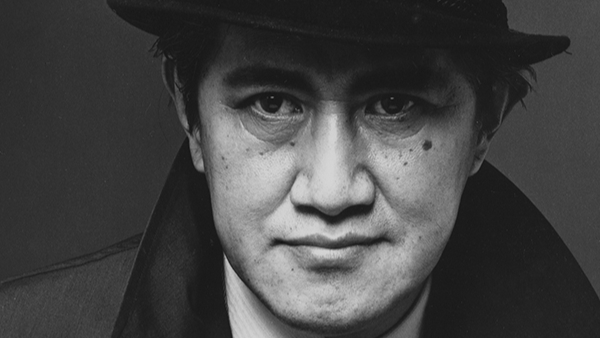
Mu Xin
Introduction
Mu Xin (1927-2011) was a multifaceted creative force, renowned as an artist, poet, and writer in China. His contributions spanned across literature, visual arts, and music, reflecting both Chinese and Western influences. Throughout his life, Mu Xin navigated complex historical contexts while cultivating a rich body of work that continues to resonate with audiences. To honor his legacy, the Mu Xin Art Museum in his hometown of Wuzhen has become a central site for celebrating his contributions, hosting exhibitions and events that highlight his artistic and literary achievements. His profound understanding of art, literature, and philosophy is evident in his diverse body of work, which continues to inspire and influence generations.
Early Life
Born in 1927 in Wuzhen, a picturesque water town in Zhejiang province, Mu Xin grew up in an environment that would heavily influence his artistic sensibilities. Coming from a wealthy family, Mu Xin had access to a wide array of cultural and educational resources from an early age. His upbringing in Wuzhen, a town characterized by its scenic waterways and traditional architecture, instilled in him a deep appreciation for beauty and tranquility, themes that would later permeate his artistic and literary works. The socio-political environment of his formative years, including the tumultuous times of war and cultural change in China, played a significant role in shaping his worldview and creative expression.
Education
Mu Xin's education was marked by a blend of Eastern and Western influences. He studied art in Shanghai during the 1940s, a period when the city was a melting pot of cultural exchanges between China and the West. This exposure to diverse artistic traditions equipped Mu Xin with a broad perspective and a unique ability to synthesize different styles and philosophies in his work. Despite the challenges posed by the socio-political climate of the time, Mu Xin remained committed to his studies, nurturing his talents in literature, visual arts, and music. His education laid a strong foundation for his later work as a writer and artist, enabling him to navigate and integrate complex cultural narratives.
Literary Career
Major Works
Mu Xin's literary corpus is extensive, encompassing hundreds of poems, essays, and stories that delve into themes of time, memory, and existential reflection. His works often reflect a deep engagement with both Chinese and Western literary traditions, drawing on his wide-ranging dialogues with global intellectuals. Some of his most celebrated writings include his prison notes, which he wrote during his incarceration in the 1970s. These manuscripts are a testament to his resilience and intellectual vigor, offering a window into his thoughts and reflections during a period of intense personal and social upheaval.
Literary Themes
Mu Xin's writings are characterized by their contemplative tone and philosophical depth. Recurrent themes in his literature include the passage of time, the interplay of memory and identity, and the quest for spiritual and artistic freedom. His works often juxtapose personal introspection with broader cultural and historical contexts, creating a rich tapestry of narratives that invite readers to ponder profound questions about the human condition. Mu Xin's literary voice is introspective yet universal, resonating with those who seek meaning and beauty in the complexities of life.
Art Career
Style and Influences
Mu Xin's artistic style is a unique blend of traditional Chinese aesthetics and modern Western techniques. His paintings often feature delicate brushwork, subtle use of color, and a harmonious balance of form and space, reflecting the influence of both Chinese landscape painting and Western modernism. Mu Xin's art is deeply personal, often serving as a visual exploration of his thoughts and emotions. His time in New York from 1982 to 2006 further expanded his artistic horizons, allowing him to engage with contemporary art movements and integrate new ideas into his work.
Notable Artworks
Among Mu Xin's notable artworks are his landscape paintings, which he created during a particularly challenging period of his life. Between 1976 and 1979, while working in a Shanghai factory, Mu Xin produced a series of small-scale landscapes. These paintings, characterized by their ethereal quality and contemplative mood, are considered a synthesis of Eastern and Western artistic traditions. They gained international recognition following their exhibition at the Yale University Art Gallery in 2001, where they were celebrated for their innovative approach and emotional depth.
Influence and Legacy
Mu Xin's legacy is one of profound cultural impact, both within China and internationally. His ability to transcend cultural and linguistic boundaries has made him a revered figure in the fields of art and literature. Through his writings, paintings, and musical compositions, Mu Xin has left an indelible mark on the cultural landscape, inspiring countless artists and thinkers. His work continues to be studied and celebrated, serving as a bridge between Eastern and Western artistic traditions. The Mu Xin Art Museum, dedicated to preserving and promoting his legacy, stands as a testament to his enduring influence and the timeless relevance of his creative contributions.
Exhibitions
Mu Xin's work has been showcased in numerous exhibitions around the world, highlighting the breadth and depth of his artistic achievements. The Mu Xin Art Museum in Wuzhen regularly hosts exhibitions that feature his manuscripts, paintings, and other creative works, allowing the public to engage with his art in a meaningful way. Notable exhibitions include his solo show at the Yale University Art Gallery in 2001 and the ongoing cultural exchange program with the British Library, which features manuscripts from renowned British and Irish writers alongside Mu Xin's works. These exhibitions not only celebrate Mu Xin's artistic legacy but also facilitate cross-cultural dialogues, enriching the global appreciation of his work.








